
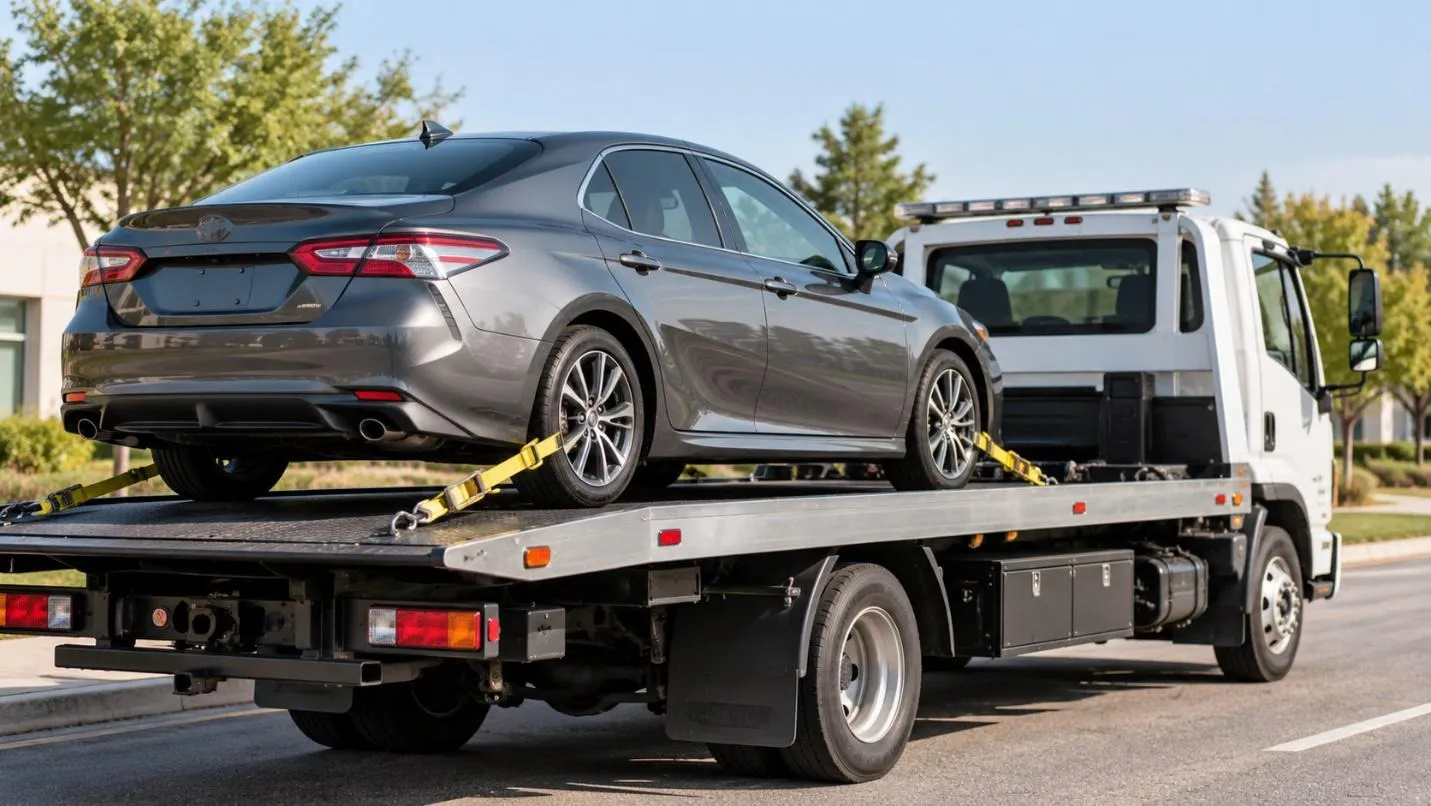
Moving a car from one location to another can appear straightforward until the vehicle cannot be driven normally, access is restricted or the destination presents its own logistical challenges.
Cars may need to be transported after a breakdown or collision, following a private sale, when relocating interstate, or simply because they are not registered or roadworthy enough to make the journey themselves. Modified, prestige, classic and low-clearance vehicles can introduce additional considerations.
Whatever the reason, safe vehicle transport starts well before the car is loaded. Choosing the right transport method, providing accurate information and preparing the vehicle properly can reduce delays while lowering the risk of unnecessary damage.
Choose the Right Transport Method
The most appropriate way to move a vehicle depends on its condition and the circumstances surrounding the job.
A roadworthy car that can steer, brake and roll normally presents a very different transport task from a vehicle with accident damage, seized wheels or a mechanical fault. Low-clearance vehicles, four-wheel drives, motorcycles and cars located in underground parking facilities can also require different equipment or loading techniques.
Before arranging transport, consider factors such as:
-
Whether the vehicle starts and drives
-
Whether the wheels turn freely
-
Whether the steering and brakes operate
-
Ground clearance
-
The vehicle’s size and weight
-
Existing accident or mechanical damage
-
Access at the collection and delivery locations
For vehicles that cannot simply be driven onto conventional transport equipment, working with an experienced operator such as Underground Towing & Salvage can help ensure that the vehicle, access conditions and equipment requirements are considered before the job begins.
Price is naturally part of the decision, but it should not be the only consideration. The wrong equipment or an unsuitable loading approach can turn a relatively simple transport job into a more complicated and potentially expensive problem.
Prepare the Car Before Collection
A small amount of preparation can make the collection process considerably easier.
Remove valuables, loose belongings and anything inside the vehicle that could move around during transport. While a coffee cup or small item may seem insignificant, loose objects can damage interior surfaces when a vehicle is being loaded, transported or unloaded.
It is also worth taking photographs of the car before handover. Capture the exterior from several angles and photograph any existing dents, scratches or damaged areas. These images create a useful record of the vehicle’s condition.
The transport operator should also be told about anything that could affect loading.
For example, mention if:
-
The battery is flat
-
The vehicle does not start
-
A wheel is damaged or locked
-
The suspension has collapsed
-
The car has particularly low ground clearance
-
There is damage underneath the vehicle
-
Fluids are leaking
-
The steering cannot be used normally
Providing this information when booking gives the operator a better opportunity to arrive with appropriate equipment rather than discovering an unexpected problem at the collection point.
Think About Access at Both Ends
Vehicle owners sometimes focus entirely on the car itself and overlook the location from which it needs to be collected.
Access can be one of the biggest factors affecting a towing or transport job.
A vehicle parked on the side of a wide suburban street may be relatively easy to reach. The same vehicle sitting several levels underground in a low-clearance car park presents a completely different challenge.
Narrow driveways, steep slopes, locked properties, loading docks, apartment car parks and congested commercial areas can all influence the way a vehicle needs to be recovered.
The delivery location deserves the same consideration.
If the vehicle is being taken to a workshop, dealership, auction facility or storage yard, confirm that the destination will be accessible when the truck arrives. Make sure somebody can accept the vehicle where necessary and that gates or entrances will be open.
A few minutes spent confirming these details can prevent the transport vehicle from arriving only to find that it cannot access the collection or delivery point.
Secure Loading Matters
Once the vehicle is ready to move, correct loading and restraint are critical.
A vehicle should be positioned and secured using equipment appropriate for its weight, condition and method of transport. Loading angles also need to be considered, particularly with lowered vehicles, sports cars and vehicles with damaged suspension or bodywork.
Safe restraint is not simply about preventing the vehicle from rolling backwards. The car must remain stable as the transport vehicle accelerates, brakes, turns and travels across uneven road surfaces.
In Australia, the National Heavy Vehicle Regulator provides guidance around load restraint and the importance of securing loads appropriately during road transport. The underlying principle is straightforward: transported items need to remain properly restrained throughout the journey.
Vehicle owners should generally leave the technical loading and securing process to properly equipped operators rather than attempting improvised towing arrangements themselves.
Plan the Journey, Not Just the Pick-Up
Efficient vehicle transport involves more than choosing the shortest route between two addresses.
Traffic, road restrictions, vehicle dimensions and access conditions can influence the most practical journey. Larger towing vehicles may not be able to use every street or entrance that a normal passenger car can.
Long-distance movements may require additional planning around collection windows and delivery arrangements. Even short journeys can become complicated when the destination is in a busy commercial precinct or requires access through a restricted area.
Good communication therefore plays a major role in efficiency.
Owners should provide accurate addresses, clear instructions and a contact number for somebody available at both ends of the journey where possible.
If a workshop closes at 5 pm, for example, that information is relevant before the transport begins rather than after the vehicle arrives outside a locked gate.
Choose a Provider With Suitable Experience
Not every towing job presents the same challenges, so it is worth understanding whether a provider regularly deals with the type of vehicle and situation involved.
Ask whether the operator has suitable equipment for the vehicle’s condition, particularly when dealing with low-clearance cars, damaged vehicles or restricted spaces.
Clear communication is another useful indicator. A competent provider should want to understand the condition of the vehicle and where it is located before dispatching equipment.
Underground Towing frequently assists with vehicles that require more planning than a straightforward roadside tow, including cars located in restricted or difficult-to-access areas.
Experience matters because complications are often apparent before the truck arrives. Recognising those issues early allows the job to be approached more efficiently.
Expert Insight
According to Joshua Harrison, Founder of Underground Towing & Salvage, many vehicle-transport problems can be avoided by giving the towing operator an accurate picture of the job before collection. Details such as whether the vehicle rolls, its ground clearance, existing damage and any restrictions at the property can influence the equipment and approach required. Providing that information upfront helps the operator prepare properly and reduces the likelihood of avoidable delays when the vehicle is collected.
Document the Vehicle’s Condition
Photographs taken before transport are useful, but the process should not end there.
Once the vehicle reaches its destination, inspect it again where practical. Compare its condition with the photographs taken before collection and make sure any keys, paperwork or accessories handed over with the car have also arrived.
Keeping job confirmations, invoices and transport documentation can be useful if questions arise later.
This is particularly worthwhile with valuable vehicles, damaged cars or vehicles being transported between different owners, dealers or repairers.
Documentation does not need to be complicated. A few clear photographs and basic records can create an effective before-and-after reference.
Communicate Unusual Conditions Early
One of the most useful lessons from practical towing and vehicle-transport work is that small details can have a major effect on how a job needs to be handled.
Based on experience assisting motorists with vehicle recovery and transport, incomplete information about the vehicle or its location is a common source of avoidable complications.
A car described simply as “not running”, for instance, could have a flat battery and roll normally, or it could have serious collision damage with locked wheels and damaged steering. Those are very different jobs.
Similarly, saying that a vehicle is “in a car park” does not reveal whether it is outside at ground level or inside an underground facility with height restrictions.
When booking transport, mention anything unusual even if it seems minor. The operator can then decide whether the information affects the equipment or approach needed.
Avoid DIY Towing When the Situation Requires Specialist Equipment
There are situations where moving a vehicle yourself may appear cheaper or more convenient. However, improvised towing arrangements can introduce unnecessary risks when the vehicle is damaged, unroadworthy or unable to brake and steer normally.
Incorrect attachment points can damage suspension or body components. Poor restraint can allow a vehicle to move unexpectedly, while unsuitable towing equipment may create hazards for other road users.
Modern vehicles can also have specific considerations relating to their drivetrain, electronic systems and recovery points.
When there is uncertainty about how a vehicle should be moved, professional transport is generally the safer option.
The objective is not merely to get the car from one address to another. It is to do so without creating additional damage or unnecessary risk along the way.
Safe Transport Starts Before the Vehicle Moves
Successful car transport comes down to preparation, communication and using the right equipment for the job.
Before collection, establish the vehicle’s condition, document any existing damage and make the transport operator aware of mechanical problems or unusual access conditions. Confirm that the destination will also be accessible when the vehicle arrives.
Most importantly, choose a transport method suited to the vehicle rather than assuming every car can be moved in the same way.
Whether the vehicle is being moved after a breakdown, transported to a workshop or collected from a difficult location, planning these details in advance can make the entire process safer, smoother and more efficient.
